The Common Misconception
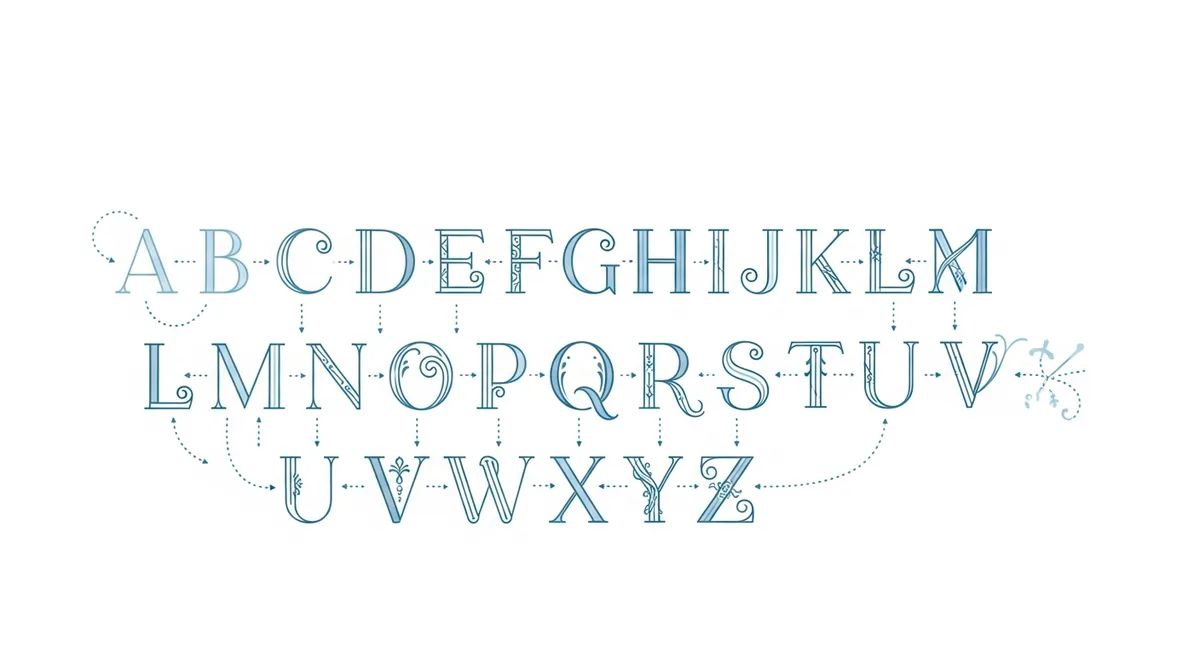
When most people see text like 𝗛𝗲𝗹𝗹𝗼 𝗪𝗼𝗿𝗹𝗱 or 𝒽𝑒𝓁𝓁𝑜 𝓌𝑜𝓇𝓁𝒹, they assume a special font is being used — some custom typeface that someone installed. So the natural question becomes: how does it paste into Instagram or WhatsApp without me installing that font?
The answer is that these aren't fonts at all. There's nothing to install because the characters already live on your device.
What Unicode Actually Is
Unicode is a universal character encoding standard. Think of it as a massive agreed-upon list that assigns a unique number to every character used in every language on Earth — plus a huge collection of symbols, emoji, and special characters.
When your phone displays a letter, it looks up the character's Unicode number, finds the visual design for it in the current system font, and draws it on screen. Your iPhone uses the San Francisco font for this. Android uses Roboto. They both support the same Unicode characters.
Right now, Unicode contains over 149,000 characters. Most people use about 100 of them on a daily basis (the standard A–Z alphabet, numbers, punctuation, and some emoji). But there are thousands more that look like styled versions of those same letters.
Where the "Fancy Fonts" Come From
There is a section of Unicode called the Mathematical Alphanumeric Symbols block. It was originally created for math papers — academics needed to write variables in bold, italic, script, and other styles within mathematical formulas. So Unicode contains complete alphabets in these styles.
For example:
- Regular A: U+0041 → A
- Bold A: U+1D400 → 𝐀
- Italic A: U+1D434 → 𝐴
- Script A: U+1D49C → 𝒜
- Bold Sans A: U+1D5D4 → 𝗔
A font generator like Fontb doesn't apply a font. It replaces each letter you type with its Unicode equivalent from a different style block. The bold A you see is a different character than the regular A — it just happens to look like a bold A.
Why This Means It Works Everywhere
Every modern device, operating system, and app that handles text has to support Unicode. It's not optional — it's the foundation of how digital text works globally. So when you paste 𝗛𝗲𝗹𝗹𝗼 into Instagram or WhatsApp, those apps don't see a "fancy font." They see specific Unicode characters and display them using their own system fonts.
The result is that the characters display everywhere without installing anything — just like how ☀️ displays as a sun emoji on every device without you doing anything special.
What the Limits Are
This approach has some practical limits worth knowing:
Not every character has a Unicode equivalent
Numbers, most punctuation, and special symbols don't always have styled versions in all font blocks. A font generator will leave these as plain characters when no Unicode equivalent exists. This is why styled text sometimes looks inconsistent if it includes numbers or symbols.
Rendering varies slightly between devices
Since each device uses its own system font to draw the characters, the exact visual appearance varies. The bold A will look slightly different on an iPhone than on a Samsung Galaxy — same character, different drawings. For social media purposes, this difference is minor.
Screen readers read them incorrectly
Text-to-speech software used by people with visual impairments reads Unicode math characters by their technical names: "mathematical bold small h" instead of "h." This makes styled text inaccessible for this audience. For social media decorative use, this is a trade-off. For critical content that must be accessible, use plain text.
Some search engines don't index them the same way
Search engines generally treat Unicode styled characters as distinct from their plain equivalents. The word 𝗵𝗲𝗹𝗹𝗼 is different from hello in a search index. This is fine for social media bios and captions, but not ideal for website body text you want indexed for SEO.
Summary
Fancy text generators like Fontb work by mapping your regular letters to Unicode characters that visually resemble different font styles. Since every device already supports the full Unicode standard, the characters display correctly everywhere without installing anything. The trade-offs are minor visual differences between devices and reduced accessibility for screen readers.